Latest posts
-
Human rights protections across European countries

In April 2026, human rights in Europe are protected by an intricate “dual-track” system involving the Council of Europe and the European Union. While the legal framework remains among the most robust in the world, it is currently facing a “stress test” due to shifting migration policies, the rise of Artificial Intelligence, and geopolitical instability.
-
The role of the European Union in shaping social policies
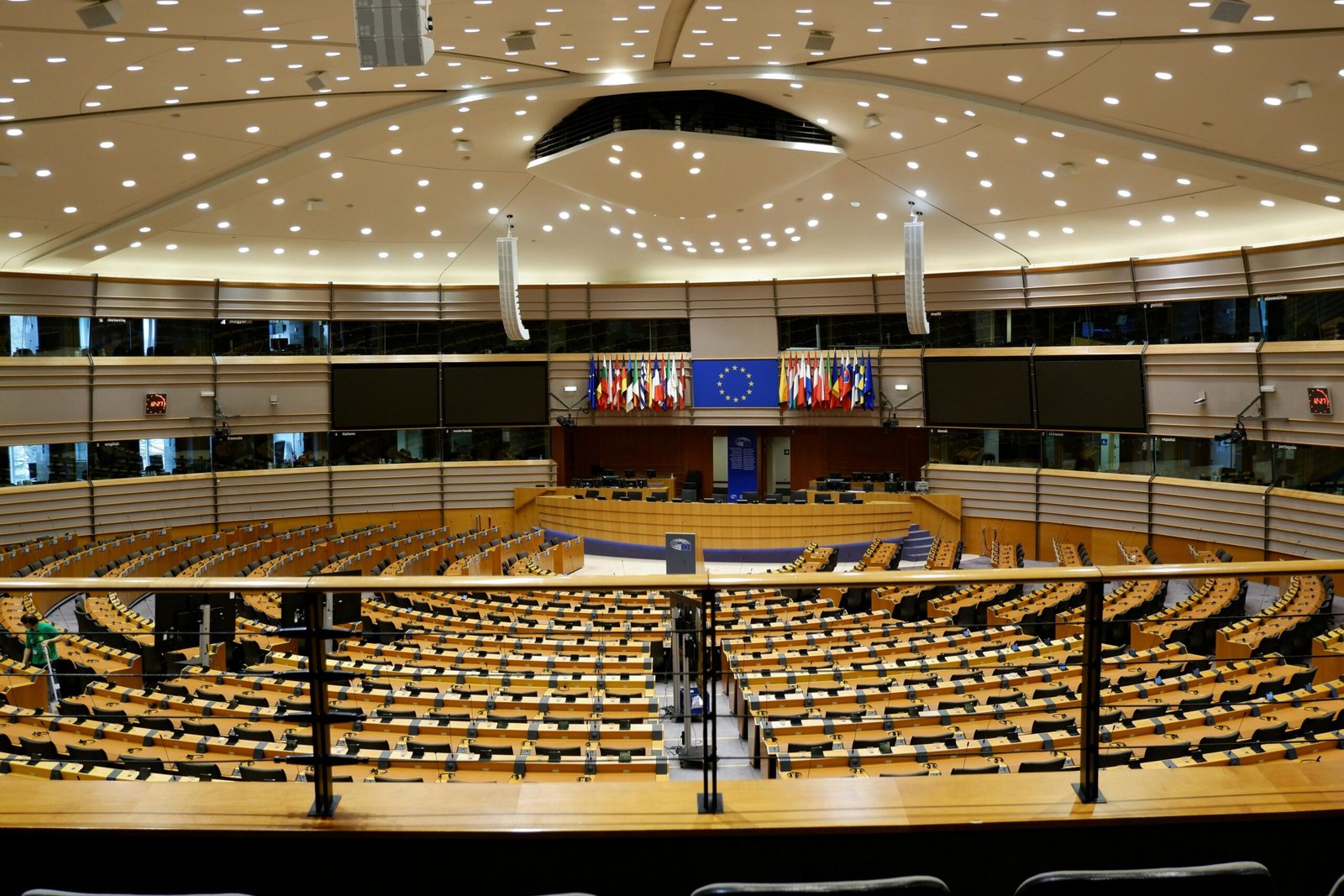
In April 2026, the role of the European Union (EU) in shaping social policy is undergoing a fundamental shift. While the EU has traditionally focused on market integration, it is now asserting its role as a “Social Compass,” using the European Pillar of Social Rights (EPSR) to harmonize living and working standards across all 27
-
Immigration and cultural diversity in Germany

In April 2026, Germany’s approach to immigration and cultural diversity is undergoing its most profound transformation since the 1960s. The nation has shifted from a reactive stance on migration to a proactive “Land of Opportunity” strategy, driven by an urgent need for workers and a desire to modernize the definition of what it means to
-
National identity debates in Spain

In April 2026, the debate over national identity in Spain remains one of the most complex and persistent features of the country’s political landscape. Far from a single “Spanish” identity, the conversation is a tug-of-war between centralized Spanish nationalism and peripheral nationalisms (Catalan, Basque, and Galician), all while navigating a modern push toward constitutional reform
-
Multiculturalism and integration policies in United Kingdom
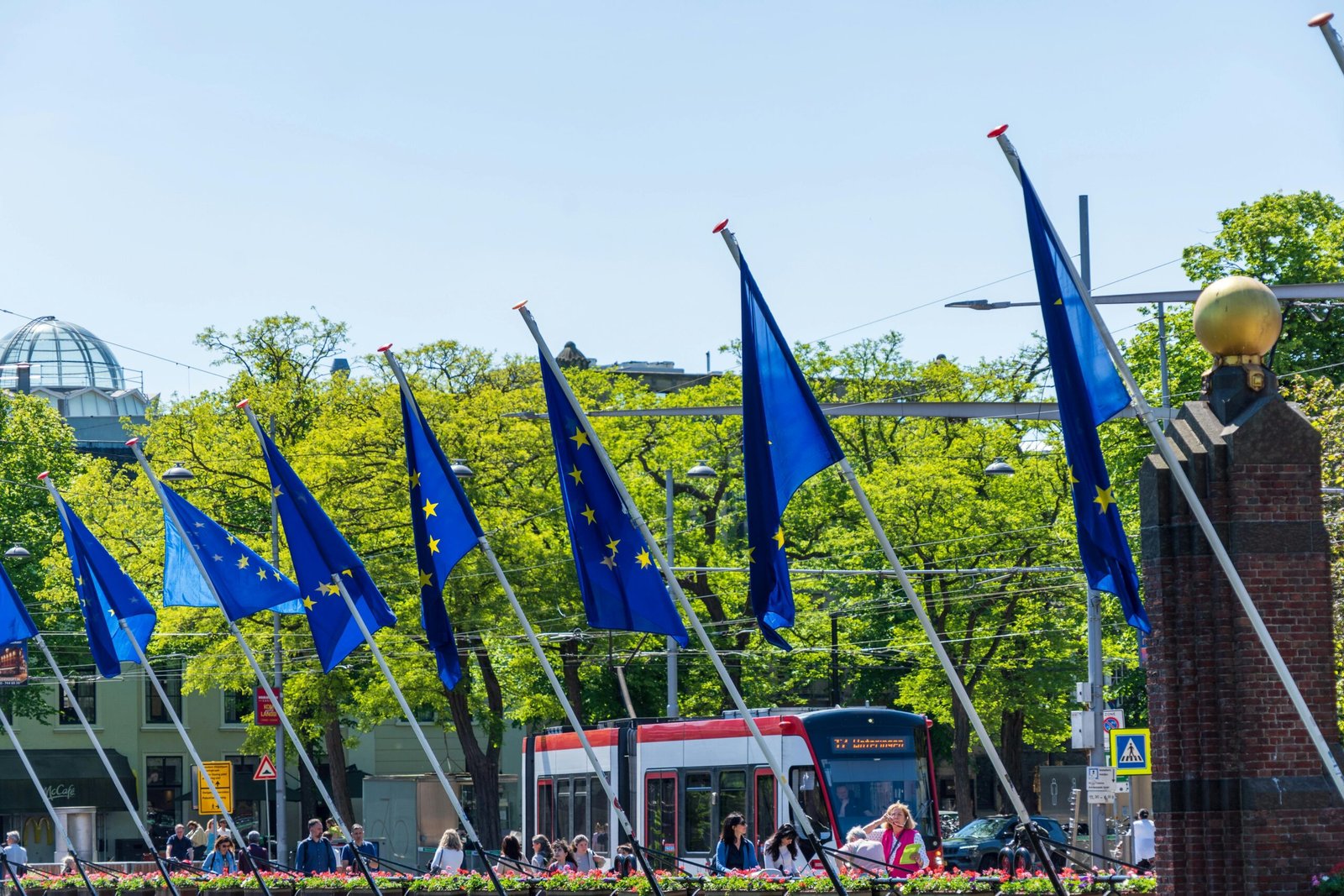
In April 2026, the United Kingdom’s approach to multiculturalism and integration is defined by a shift toward “Earned Integration.” While the UK remains one of Europe’s most diverse nations, the government is moving away from passive multiculturalism toward a more structured, contribution-based model of community cohesion. Here is the current state of UK integration and
-
Social security and aging populations in Italy

In April 2026, Italy’s social security system is at a critical juncture. Known as the “Silver Nation,” Italy has one of the world’s oldest populations, and the resulting demographic pressure is forcing the government to balance a massive pension bill with a shrinking labor force. 1. The Demographic Context (2026 Snapshot) Italy’s population pyramid is
-
Healthcare systems comparison between Germany and France
Comparing the healthcare systems of Germany and France in 2026 reveals two of the world’s most high-performing, insurance-based models. Both are rooted in the Bismarckian tradition—where coverage is funded through employer and employee contributions—but they differ significantly in their governance, patient costs, and specialist access. Below is a detailed breakdown of the two systems as
-
The welfare state model in Sweden and its impact on society

Sweden’s welfare state—often referred to as the Swedish Model or part of the broader Nordic Model—is defined by its “cradle-to-grave” social safety net, high taxes, and a unique balance between free-market capitalism and universal social benefits. As of April 2026, the model is undergoing significant recalibration as the government attempts to balance traditional social protection